
S&K Blog
Commercial Exterior Building Maintenance: Fix Small Problems Before Winter
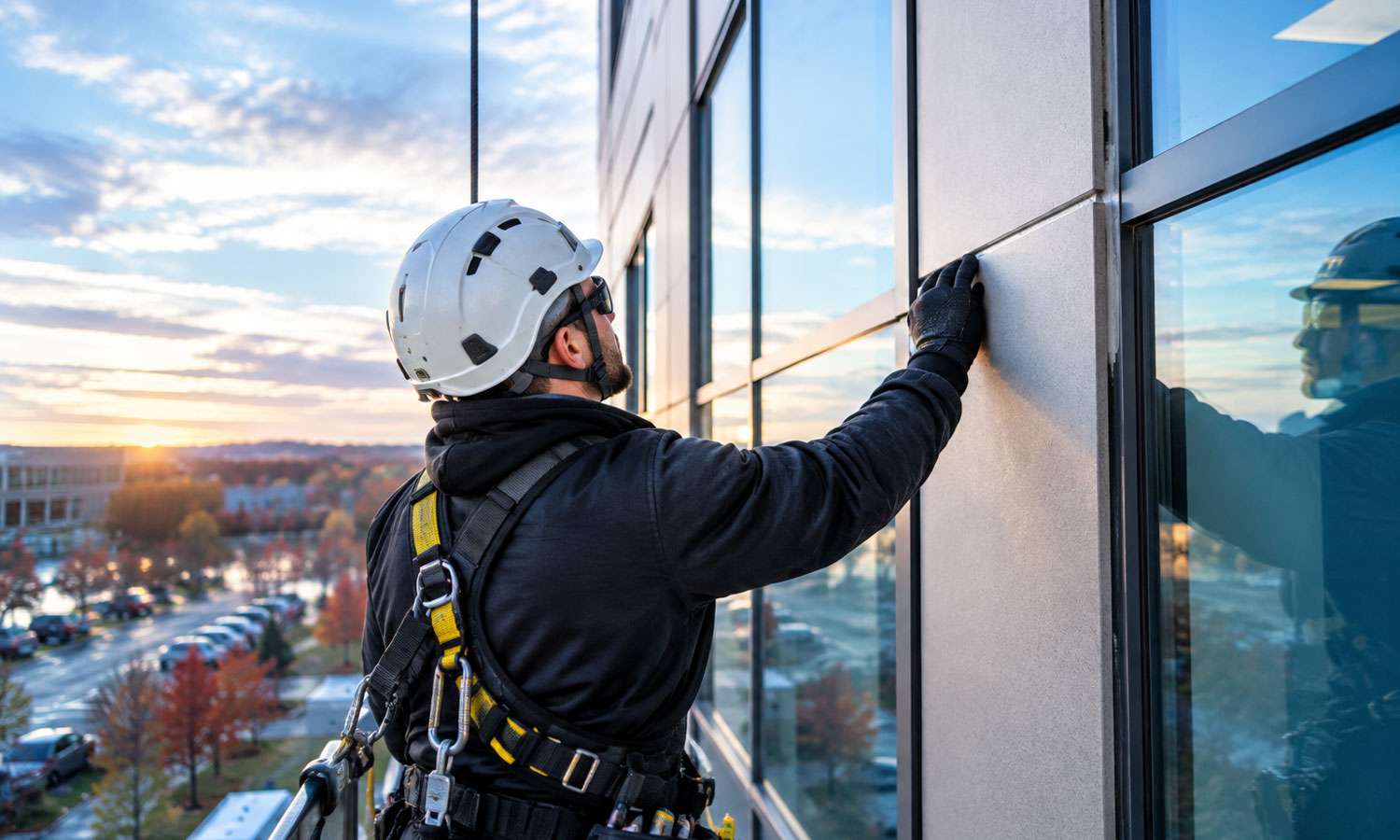
A small exterior building issue in September can become a much larger—and more expensive—problem by the middle of winter.
Failed sealants, minor water intrusion, loose exterior components, staining, and drainage problems may not seem urgent while the weather is still mild. But as temperatures drop and buildings are exposed to rain, snow, ice, freeze-thaw cycles, and winter contaminants, existing exterior problems can worsen quickly.
For facility managers, property managers, and commercial building owners, preventative exterior building maintenance before winter provides an opportunity to identify and address these concerns while conditions are still favorable for inspection, cleaning, maintenance, and repairs.
The goal isn’t simply to make a commercial building look better before winter.
It’s to identify small problems before winter has a chance to make them bigger.
Why Fall Commercial Building Maintenance Matters
Commercial building exteriors are designed to withstand the elements, but they aren’t maintenance-free.
Throughout the year, façades, windows, metal panels, sealants, drainage systems, and other exterior components are exposed to UV rays, rain, wind, airborne pollution, hard water, biological growth, bird activity, dirt, and other environmental contaminants.
Then winter introduces another set of challenges.
Water can enter small openings and freeze. Existing cracks can expand. Blocked drainage systems can allow water to collect in areas where it shouldn’t. Snow and ice can conceal exterior conditions that would have been much easier to identify during warmer weather.
That’s why late summer and early fall are valuable times to evaluate the condition of a commercial property’s exterior.
A preventative exterior assessment can help determine what needs immediate attention, what should be cleaned or maintained, and what may need to be included in future maintenance or capital planning.
6 Exterior Building Issues to Address Before Winter
Some exterior maintenance concerns are obvious. Others can develop slowly and remain unnoticed until they cause staining, leaks, deterioration, or other building problems.
Here are six areas commercial property teams should pay particular attention to before colder weather arrives.
1. Failed or Deteriorating Sealants
Exterior sealants play an important role in helping protect a building envelope from air and moisture intrusion.
Over time, sealants around windows, joints, panels, and other exterior components can crack, separate, shrink, or otherwise deteriorate.
A small failure may not seem significant during dry weather. Once rain, snow, ice, and freezing temperatures arrive, however, those openings can provide a path for moisture.
Signs of potential sealant problems can include:
- Cracking or splitting
- Gaps between the sealant and adjoining surfaces
- Missing sections
- Shrinkage
- Discoloration or deterioration
- Evidence of moisture near windows or exterior joints
Identifying suspect areas before winter gives property teams time to determine whether further evaluation or corrective work is needed.
2. Water Intrusion
Water is one of the most persistent threats to a commercial building envelope.
And the location where water becomes visible isn’t necessarily where it entered the building.
Moisture can travel through wall assemblies, joints, penetrations, and other pathways before signs of a leak become apparent inside.
Exterior inspections may reveal warning signs such as staining, deteriorated joints, damaged exterior materials, failed sealants, or areas where water appears to be collecting.
Winter can make existing water intrusion particularly problematic because trapped moisture may be subjected to repeated freezing and thawing.
Catching potential entry points early can help reduce the likelihood that a manageable maintenance issue becomes a larger repair.
3. Small Façade Issues
A building’s façade is continuously exposed to weather and environmental contaminants.
Minor cracks, staining, damaged materials, deteriorating joints, or other irregularities may initially appear cosmetic. But changes in an exterior surface can sometimes indicate a condition worth investigating.
Regular commercial façade maintenance and inspection can help building teams track changes over time rather than waiting until a problem becomes impossible to ignore.
Depending on the building, an exterior assessment may include reviewing:
- Masonry
- Curtain wall systems
- Exterior panels
- Metal surfaces
- Window systems
- Joints and transitions
- Ledges and architectural features
- Areas susceptible to water collection
Documenting exterior conditions can also help property teams prioritize maintenance and budget for future work.
4. Loose Panels or Exterior Components
Wind, temperature changes, moisture, age, and normal building movement can affect exterior components over time.
Loose panels, flashing, trim, or other façade elements should be investigated before winter weather arrives.
The concern isn’t limited to appearance.
An exterior component that has begun to loosen or separate may allow additional moisture behind the building envelope or continue deteriorating as it is exposed to wind and winter conditions.
Early identification gives facility teams an opportunity to investigate the cause and determine an appropriate next step.
5. Stained or Contaminated Glass
Dirty commercial windows aren’t always simply dirty.
Hard water deposits, mineral buildup, oxidation runoff, construction residue, pollution, and other contaminants can accumulate on exterior glass.
The longer some contaminants remain on a surface, the more difficult they may become to remove through routine commercial window cleaning.
That can eventually turn what might have been a maintenance cleaning project into a glass restoration project.
Regular exterior glass maintenance helps property managers stay ahead of buildup while maintaining the appearance of the property.
This is particularly important for buildings where appearance plays a significant role in the tenant, visitor, customer, or resident experience, including:
- Office buildings
- Hotels
- Retail properties
- Healthcare facilities
- Multi-tenant properties
- Educational facilities
- Hospitality properties
Before assuming stained glass needs to be replaced, a professional evaluation can help determine whether cleaning or restoration may improve the condition of the surface.
6. Drainage Concerns
Water needs somewhere to go.
When gutters, roof drains, scuppers, downspouts, exterior drains, or other drainage pathways become clogged or aren’t functioning properly, water can collect around areas of the property that weren’t designed for prolonged exposure.
Leaves and seasonal debris can make drainage maintenance especially important heading into fall and winter.
Depending on the property, facility teams may want to evaluate areas including:
- Gutters and downspouts
- Roof drainage systems
- Exterior drains
- Parking structures
- Building entrances
- Sidewalk and pedestrian areas
- Low points where water regularly collects
Drainage issues can become even more problematic once freezing temperatures arrive.
Addressing debris and obvious drainage concerns beforehand can help the building manage rain, melting snow, and ice more effectively throughout the colder months.
Cleaning Is Part of Preventative Building Maintenance
Commercial exterior cleaning is often viewed primarily as an appearance service.
Its role in a broader maintenance strategy can go much further.
Dirt, mineral deposits, biological growth, oxidation, pollution, and other buildup can obscure exterior surfaces and make it more difficult to evaluate their condition.
Professional commercial window cleaning, pressure washing, soft washing, façade cleaning, and exterior building cleaning can expose surfaces that need closer attention while removing contaminants before they remain in place for another winter.
Routine maintenance also creates an opportunity for exterior service professionals to observe areas of concern that property teams may not regularly see from the ground.
For multi-story and high-rise properties, this can be particularly valuable because technicians may access portions of the façade that facility personnel rarely see up close.
Preventative Maintenance vs. Reactive Repairs
Waiting for a building problem to become obvious can be expensive.
A proactive exterior maintenance program gives property teams an opportunity to address conditions on a planned schedule rather than responding after something fails.
Consider the difference between identifying a deteriorating exterior joint during a scheduled assessment and discovering the same problem because water is entering occupied space during a winter storm.
Or removing developing mineral deposits from glass as part of routine maintenance rather than addressing heavily stained glass through restoration—or potentially replacement—later.
The underlying principle is simple:
Maintenance is generally easier to plan and budget for than an emergency.
Preventative exterior maintenance can also help facility managers develop a clearer picture of the building’s condition and distinguish among items that:
- Need attention now
- Can be incorporated into routine maintenance
- Should be monitored
- May require specialized evaluation
- Need to be considered in future capital budgets
That information can make annual maintenance and budgeting decisions significantly more strategic.
What Should Be Included in a Pre-Winter Exterior Assessment?
Every commercial property is different, so the appropriate assessment depends on the building’s design, materials, height, age, exposure, and maintenance history.
In general, property and facility teams should consider the condition of the building’s:
Glass and window systems
Look for staining, buildup, damaged components, deteriorating perimeter conditions, and areas that may require cleaning or restoration.
Façade surfaces
Review exterior materials for staining, deterioration, visible damage, loose components, or unusual changes.
Sealants and joints
Identify obvious gaps, cracks, deterioration, or separation that may warrant additional evaluation.
Drainage areas
Check for debris, obstructions, standing water, or signs that water isn’t moving away from the building as intended.
Exterior access systems
For buildings utilizing roof anchors or other façade access systems, required inspections and certifications should remain current so exterior maintenance can be performed safely.
Areas with recurring problems
Pay particular attention to locations with a history of leaks, staining, drainage problems, or accelerated deterioration.
A documented assessment can provide a useful baseline for both immediate maintenance and long-term exterior asset planning.
Don’t Let Winter Decide What Gets Repaired
Once winter weather arrives, property teams have fewer options.
Cold temperatures, snow, ice, wind, and shorter daylight hours can make exterior projects more difficult to schedule and may limit when certain maintenance work can be performed.
September and early fall offer an important window to evaluate the exterior while there is still time to act.
Rather than waiting for winter weather to expose the weakest points of your property, identify them beforehand.
Supporting Commercial Properties Nationwide
Preventative exterior maintenance isn’t limited to a single building. For property managers and facility teams responsible for multiple locations, maintaining consistent exterior service standards across an entire portfolio can be just as important.
S&K Building Services provides commercial exterior building maintenance services across a growing network of markets throughout the United States. From individual commercial properties to regional and multi-location portfolios, our local teams help property managers and facility professionals coordinate exterior maintenance with consistent service, communication, and safety standards.
Our service areas include:
- Atlanta, GA
- Chicago, IL
- Cincinnati, OH
- Cleveland, OH
- Denver, CO
- Detroit, MI
- Finger Lakes, NY
- Grand Rapids, MI
- Indianapolis, IN
- Lansing, MI
- Louisville, KY
- Madison, WI
- Milwaukee, WI
- Nashville, TN
- New Orleans, LA
- Phoenix, AZ
- Portsmouth, OH
- Rochester, NY
- St. Louis, MO
- West Palm Beach, FL
With local teams operating throughout these regions, S&K Building Services can provide dependable scheduling, consistent communication, and professional exterior maintenance solutions while giving multi-location property teams a more streamlined way to manage exterior services across multiple markets.
Protect Your Building Before Winter Weather Arrives
Small exterior issues don’t always stay small.
Failed sealants, drainage problems, stained glass, façade concerns, and other exterior maintenance issues can become more difficult—and potentially more expensive—to address once winter weather arrives.
S&K Building Services helps commercial property owners, facility managers, and property management teams take a proactive approach to exterior building maintenance. Our capabilities include commercial window cleaning, high-rise window cleaning, pressure washing, soft washing, façade cleaning, glass and metal restoration, roof anchor inspection, and specialty exterior building services.
Whether you manage a single commercial building or properties across multiple markets, our team can help you identify exterior maintenance needs and plan the appropriate next steps before colder weather arrives.
Don’t wait for winter to reveal your building’s exterior problems.
Contact S&K Building Services to schedule a preventative exterior assessment and address maintenance concerns before winter weather arrives.
Request an Exterior Maintenance Assessment
Protect your property before winter weather arrives. S&K Building Services provides professional exterior cleaning and maintenance solutions for commercial properties.
- Commercial exterior maintenance
- Professional W-2 crews
- Safety-focused service
- Multi-location portfolio support
Tell us about your property to get started.
Frequently Asked Questions About Commercial Exterior Building Maintenance
Before winter, commercial property managers should inspect exterior sealants, windows, façade surfaces, drainage systems, gutters, roof drains, exterior panels, and other areas where water or debris can collect. Commercial window cleaning, building washing, glass restoration, and other preventative maintenance may also be appropriate depending on the property’s condition.
Fall provides an opportunity to identify and address exterior maintenance concerns before freezing temperatures, snow, and ice make certain projects more difficult. Addressing small problems before winter may also help prevent moisture, drainage, staining, and deterioration issues from becoming more significant.
Inspection frequency depends on the building’s age, materials, height, location, exposure, and maintenance history. At minimum, property and facility teams should routinely evaluate exterior conditions and consider additional assessments following severe weather or when signs of deterioration, staining, water intrusion, or other problems appear.
Yes. Professional commercial window cleaning provides technicians with a closer view of glass, frames, sealants, façade surfaces, and other exterior areas that may be difficult to inspect from the ground. While window cleaners do not replace qualified building-envelope inspectors or engineers, they may identify visible conditions that should be brought to the property manager’s attention.
Commercial window cleaning removes routine dirt, debris, and surface contaminants. Glass restoration is intended for more difficult conditions such as hard water deposits, mineral buildup, oxidation runoff, or other staining that routine cleaning may not remove. Evaluating stained glass early may help determine whether restoration is possible before replacement is considered.
Proper drainage helps move rainwater and melting snow away from areas where it could collect and cause problems. Clogged gutters, roof drains, downspouts, and exterior drainage areas can contribute to standing water and ice formation. Clearing debris and addressing drainage concerns before winter can help the property manage seasonal precipitation more effectively.
Yes. S&K Building Services supports individual commercial properties as well as regional and multi-location portfolios across markets throughout the United States. Our growing network of local teams allows property managers and facility professionals to coordinate commercial exterior maintenance across multiple locations while maintaining consistent service and communication.
S&K Building Services provides a range of commercial exterior maintenance services, including commercial window cleaning, high-rise window cleaning, pressure washing, soft washing, façade cleaning, glass and metal restoration, roof anchor inspection, and specialty exterior building services. Available services may vary by property and market.
Late summer and early fall are ideal times to evaluate exterior building conditions before colder weather arrives. Scheduling early provides more time to identify concerns, prioritize maintenance, coordinate services, and address appropriate items before winter conditions limit exterior work.
Ready to Get Started?
S&K is ready to get to work for you! A member of our team is available to discuss your needs and deliver a timely estimate of services.
Contact Us